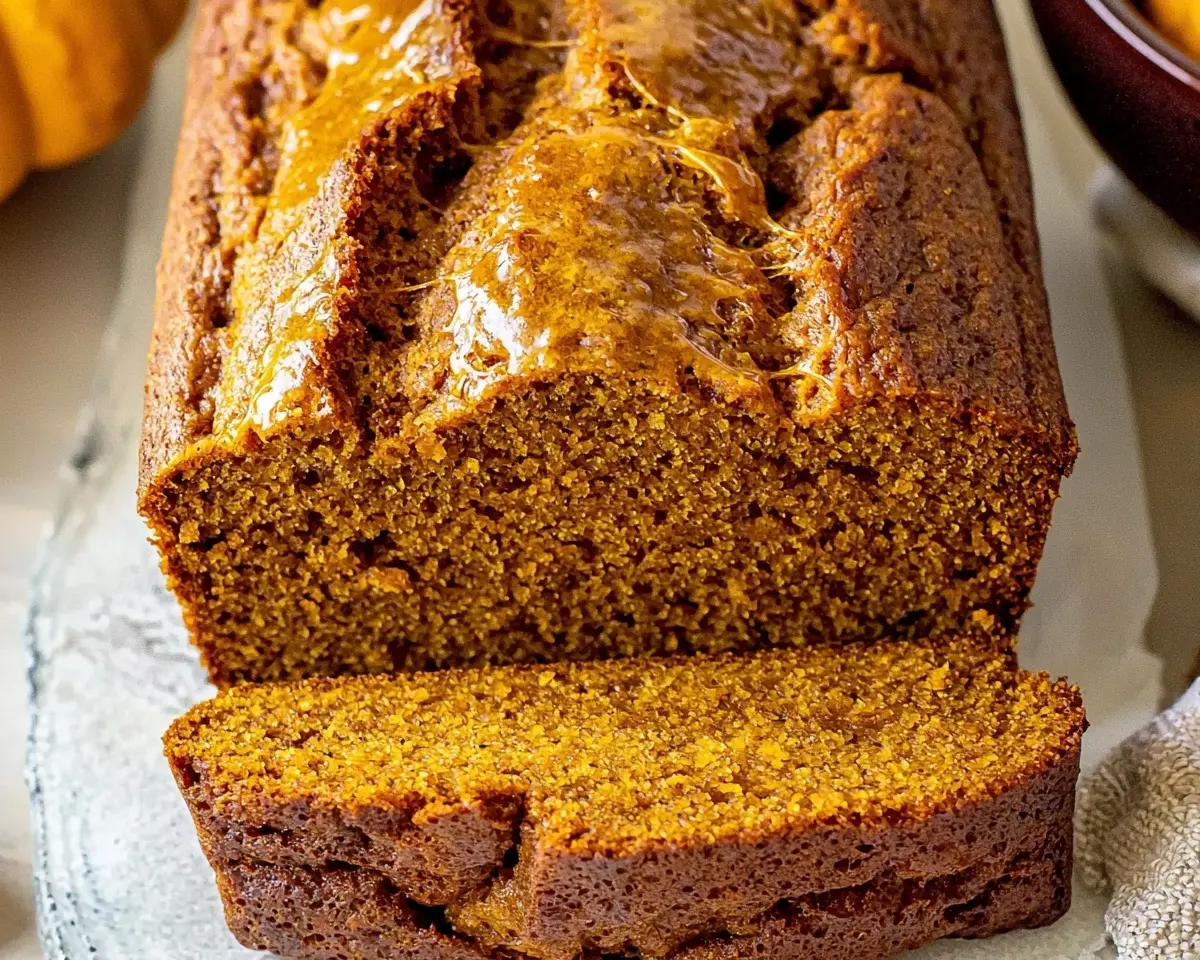
Bake the Best Pumpkin Bread: Oil vs. Butter & Gluten-Free Swaps for Ultimate Moistness
There’s a certain magic that fills the kitchen when a loaf of pumpkin bread is baking. It’s a sensory experience – the comforting aroma of warm spices, the anticipation of a tender, moist slice, and the simple joy of creating something delicious from scratch. For many, the first encounter with baking pumpkin bread marks a turning point, a realization that sophisticated flavors can come from surprisingly simple ingredients and techniques. Whether it was in a tiny apartment kitchen with a borrowed pan or a bustling family home, the process of combining humble pantry staples like canned pumpkin, flour, sugar, and spices often feels like bottling the essence of fall. This beloved quick bread doesn't demand expert baking skills or a lineup of fancy equipment. Often, a single bowl and a whisk are all you need to bring together a batter that promises an incredibly moist pumpkin bread. But while the core recipe is straightforward, there are nuanced choices that can elevate your loaf from merely good to truly exceptional. Today, we'll delve into some of these crucial decisions, exploring the age-old debate of oil versus butter for supreme moisture and texture, and providing invaluable insights into creating delicious gluten-free pumpkin bread without compromise. Easy & Moist Pumpkin Bread: Your One-Bowl Fall Baking Guide is just a click away for comprehensive step-by-step instructions.The Foundation of Flavor: Essential Ingredients for Perfect Pumpkin Bread
At the heart of any great pumpkin bread lies a carefully chosen set of ingredients, each playing a vital role in the final texture and taste. The beauty of this recipe is its reliance on readily available items, ensuring that a craving for a warm slice is never far from being satisfied.- Canned Pumpkin Purée: The Moistness Powerhouse: This is non-negotiable. Always opt for 100% pure pumpkin purée, not pumpkin pie filling. Pie filling contains added sugars and spices that will throw off your recipe's balance. Pure pumpkin, often derived from Dickinson pumpkins (a type of butternut squash), is naturally thick and packed with moisture. This high moisture content is key to why pumpkin bread stays fresh and soft for days, often outperforming other quick breads. Beyond its culinary prowess, pumpkin is also a nutritional champion, brimming with fiber, vitamins A and C, potassium, and antioxidants, contributing to overall health. For more on this, check out Unlock the Secret to Moist Pumpkin Bread: Canned Puree & Health Benefits.
- Flour: All-purpose flour is the standard here, providing structure. We'll discuss gluten-free alternatives later.
- Sweeteners: Granulated sugar is common, often complemented by brown sugar for added moisture and a subtle molasses note.
- Eggs: Eggs bind the ingredients, add richness, and contribute to the loaf's rise and structure.
- Leavening Agents: Baking soda is typically used, reacting with the acidic pumpkin to create lift and a tender crumb.
- Warm Spices: This is where the magic happens. While cinnamon and nutmeg are staples, don't shy away from adding ginger, cloves, and allspice for a more complex and aromatic profile. Adjust quantities to your personal preference – some like a bold spice kick, others prefer a more subtle warmth.
- Salt: A small amount of salt enhances all the other flavors, making the sweetness and spices truly pop.
Beyond these core components, consider incorporating extras like a splash of vanilla extract for depth, chopped nuts (pecans or walnuts) for crunch, or chocolate chips for a delightful burst of sweetness. These additions can transform your simple loaf into a truly personalized treat.
Oil vs. Butter: The Ultimate Moisture Debate for Your Loaf
One of the most critical decisions when crafting the best pumpkin bread recipe revolves around your choice of fat: oil or butter. Both have distinct impacts on the final product, and understanding these differences can help you achieve your desired texture and flavor profile.The Case for Oil: Unrivaled Moisture and Tenderness
For sheer moisture, tenderness, and longevity, oil is often the preferred choice for pumpkin bread. Here’s why:
- Superior Moisture Retention: Oil, being 100% fat in liquid form, integrates seamlessly into the batter, coating flour particles thoroughly and preventing excessive gluten development. This results in a consistently moist crumb that stays soft for days.
- Extended Freshness: Loaves made with oil tend to remain tender and fresh longer, even when stored at room temperature or refrigerated. This is particularly advantageous if you plan to enjoy your pumpkin bread over several days.
- Even Crumb: Oil contributes to a very even, fine crumb structure, which is a hallmark of truly excellent quick breads.
- Neutral Flavor: Neutral-flavored oils like vegetable, canola, or grapeseed allow the pumpkin and spices to shine through without imparting their own taste.
If your primary goal is a pumpkin bread that’s consistently moist, exceptionally tender, and holds up beautifully over time, using oil is your best bet.
The Case for Butter: Rich Flavor and a Golden Hue
While oil wins on moisture, butter brings its own set of advantages, primarily in flavor:
- Rich, Creamy Flavor: Butter inherently adds a depth of flavor that oil cannot replicate. Its distinctive notes complement the warm spices of pumpkin bread beautifully, creating a more gourmet taste profile.
- Golden Crust: Butter often contributes to a more golden, slightly crispier crust, adding another textural dimension.
However, butter also comes with a few trade-offs when it comes to quick breads:
- Drier Texture Over Time: Because butter is a solid fat with a lower fat content and some water, it can contribute to a slightly drier texture as the loaf cools and ages, especially if refrigerated. The loaf might feel less tender after a day or two.
- Less Tender Crumb: The way butter interacts with flour can sometimes lead to a slightly denser or less uniformly tender crumb compared to oil.
The Verdict: If you're baking an everyday loaf meant to be enjoyed for several days, especially if stored, oil is the champion for moisture. If you’re making a special occasion pumpkin bread that will be served fresh, perhaps with a spiced glaze or a dollop of whipped cream, butter’s rich flavor might be worth the slight compromise on long-term moisture. For the best of both worlds, some bakers opt for a combination of melted butter and oil, leveraging butter's flavor and oil's moistening power.
Baking Beyond Boundaries: Crafting Delicious Gluten-Free Pumpkin Bread
For those avoiding gluten, the good news is that crafting a delicious, moist pumpkin bread is entirely achievable without sacrificing flavor or texture. Thanks to advances in baking technology, making gluten-free pumpkin bread is often as simple as a direct swap.The Gluten-Free Swap: 1:1 Flour Blends
The easiest and most reliable method for gluten-free pumpkin bread is to use a high-quality 1:1 gluten-free baking flour blend. These blends are specifically formulated to replace regular wheat flour cup-for-cup in most recipes, without requiring any other changes to the ingredient measurements or liquid ratios. These blends typically contain a mix of different gluten-free flours (like rice flour, sorghum flour, tapioca starch, and potato starch) and often include xanthan gum, which acts as a binder to mimic the elasticity of gluten.
Tips for Gluten-Free Success:
- Choose Your Blend Wisely: Not all 1:1 blends are created equal. Experiment with a few brands to find one you love. King Arthur Gluten-Free Measure for Measure Flour or Bob's Red Mill Gluten-Free 1-to-1 Baking Flour are popular and reliable choices.
- Don't Overmix: Just like with traditional flour, overmixing can lead to a tough texture. Mix until just combined.
- Embrace Pumpkin's Moisture: Pumpkin’s natural moisture content is a huge asset in gluten-free baking. It helps to keep the crumb tender and prevents the dryness often associated with gluten-free baked goods.
- Rest the Batter (Optional but Recommended): Allowing the gluten-free batter to rest for 10-15 minutes before baking can help the flours fully hydrate, potentially leading to a better texture.
- Check for Doneness Carefully: Gluten-free breads can sometimes bake slightly differently. Use the skewer test – insert a wooden skewer into the center; it should come out with moist crumbs, not wet batter.
With a good gluten-free blend, you can enjoy all the warmth and spice of homemade pumpkin bread without any gluten-related concerns.
Tips for Success & Elevating Your Pumpkin Bread Experience
Achieving the best pumpkin bread goes beyond just ingredients; it also involves thoughtful execution. Here are some actionable tips to ensure your loaf is always a triumph:- Measure Accurately: Especially with flour and leavening agents, precise measurements are key. Use a kitchen scale for the most accurate results, particularly for flour.
- Don't Overmix the Batter: Once you add the dry ingredients to the wet, mix only until just combined. Overmixing develops gluten (even in gluten-free flours to some extent), which can lead to a tough, dense loaf. Lumps are okay!
- Prepare Your Loaf Pan: Grease and flour your loaf pan thoroughly, or line it with parchment paper, leaving an overhang on the long sides for easy removal. This prevents sticking and ensures a beautiful loaf.
- The Skewer Test: Bake until a wooden skewer inserted into the center of the loaf comes out with moist crumbs, but no wet batter. Baking times can vary depending on your oven and pan material.
- Cool Properly: Allow the pumpkin bread to cool in the pan for 10-15 minutes before inverting it onto a wire rack to cool completely. Cooling on a rack prevents the bottom from becoming soggy.
- Storage: Store cooled pumpkin bread in an airtight container at room temperature for 3-4 days. For longer storage, refrigerate for up to a week, or wrap tightly and freeze for up to 2-3 months. Thaw at room temperature.
Elevate Your Loaf with Creative Variations:
Once you’ve mastered the basic recipe, feel free to experiment:
- Crunchy Add-ins: Fold in toasted pecans, walnuts, or even pepitas for added texture.
- Chocolate Delights: Mini chocolate chips or white chocolate chunks are always a hit.
- Cream Cheese Swirl: For a decadent twist, dollop and swirl a simple cream cheese mixture into the batter before baking.
- Spiced Glaze: Drizzle a simple glaze made from powdered sugar, milk, and a pinch of cinnamon over the cooled loaf.
- Streusel Topping: A crumbly streusel made from flour, sugar, butter, and spices can add a wonderful textural contrast.
